
Back Pain
Back pain can make every movement exhausting. At the TMJ & Sleep Therapy Centre of Kansas City, we uncover how posture, muscle tension, and jaw alignment may be contributing — and offer non-surgical care that helps you move freely again.



Over 70 Centres

Decades

Tens of Thousands
Understanding Back Pain in Relation to TMJ & Sleep Health
Back pain is a common complaint affecting millions worldwide. However, when it becomes chronic, it often intersects with other conditions—like temporomandibular joint (TMJ) dysfunction, poor sleep posture, breathing disruptions, and spinal misalignment. Addressing back pain effectively means considering the whole system.
“Chronic pain is rarely isolated — it is a network problem, involving muscles, joints, nerves, and the brain’s protective patterns.”
NCBI / PMC
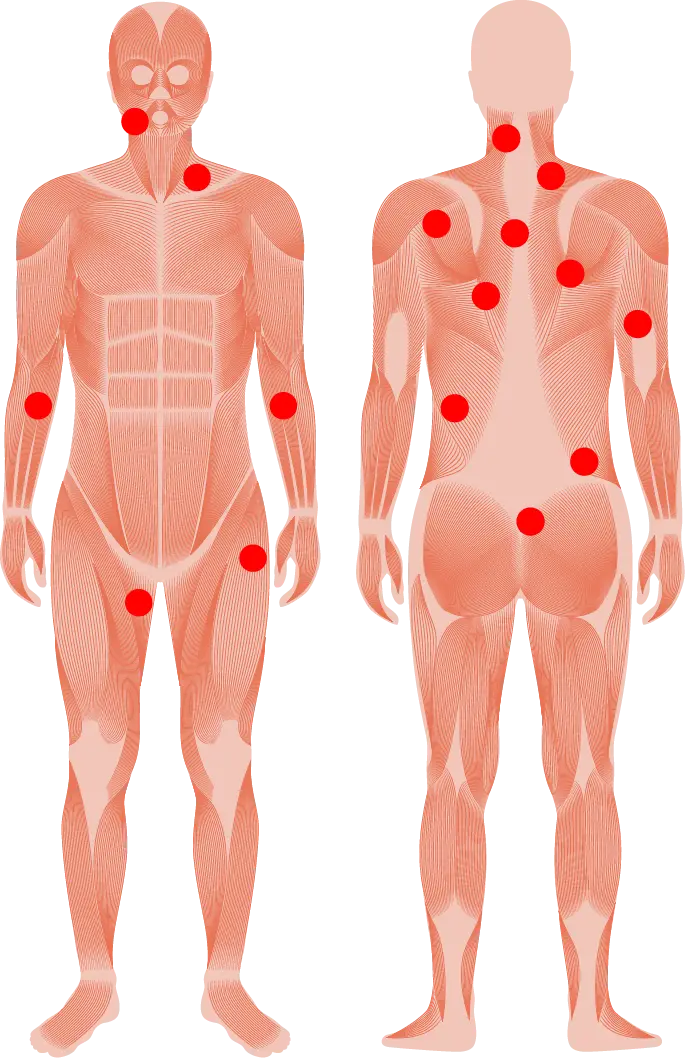
In a patient who grinds their teeth, struggles with TMJ pain, or breathes poorly at night, compensatory muscle tension can tighten the neck, shoulders, and back. This cascade can lead to persistent back pain, reduced mobility, and sleep disturbance. Studies show that muscle imbalance and protective guarding may maintain pain long after the initial injury has healed. (PMC Article on chronic muscle adaptation)
Altered breathing—such as habitual mouth breathing or sleep-disordered breathing—also influences posture. Poor oxygenation increases sympathetic tone, which can cause tightness in deep spinal muscles. Over time, breathing dysfunction can exacerbate lower back strain, especially in patients already vulnerable due to TMJ imbalance or spinal stress.
Because these systems are interlinked, our approach to back pain includes not only spinal and muscular therapies, but also evaluation of TMJ alignment, breathing patterns, sleep posture, and airway function. A truly multidisciplinary plan stands the best chance of lasting improvement.
When To Seek Treatment
Pain that prevents you from eating, sleeping, or concentrating may indicate a more serious structural or neuromuscular disorder requiring professional care.
When daily activities like speaking, chewing, or working become difficult, it’s a clear sign your condition has progressed beyond self-management.
If pain intensity or frequency continues to increase despite rest or medication, the underlying problem may be advancing and needs targeted intervention.
Relying on painkillers, anti-inflammatories, or sleep aids regularly means the source of the pain remains untreated and could worsen over time.
Restless nights, clenching, or daytime fatigue can stem from airway or TMJ dysfunction — often overlooked contributors to chronic pain and inflammation.
Chronic discomfort can drain your energy, cause irritability, and tighten muscles throughout the neck, shoulders, and back — all signs your body is compensating for dysfunction.
Relief begins with the right diagnosis
You do not have to live with back pain that limits your movement or sleep. The team at the TMJ & Sleep Therapy Centre of Kansas City uses advanced, non-surgical therapies to uncover the real cause of your pain, whether it comes from posture issues, airway strain, or jaw imbalance.

Frequently Asked Questions About Back Pain
We know back pain can be confusing, especially when it overlaps with other issues like TMJ tension or poor sleep quality. Below are some of the most common questions we hear from patients looking for answers about the causes, treatment, and relief process for chronic back pain.
TMJ & Sleep Therapy Centre
Global Expertise
As proud members of TMJ International, we are part of a global team dedicated to advancing collaborative care in TMJ disorders and sleep therapy. Together, we bring innovation, expertise, and compassionate treatment to help patients find lasting relief and a healthier quality of life.

If you’re struggling with jaw pain, headaches, or sleep issues, the TMJ & Sleep Therapy Centre of Kansas City is here to help. Our team specializes in non-surgical TMJ and sleep therapy solutions designed to restore comfort and improve your quality of life.

Over 70 Centres
Decades