
Shoulder Pain
Shoulder discomfort can be more than a local problem, it’s often linked to the jaw, neck, or airway. At the TMJ & Sleep Therapy Centre of Kansas City, we uncover the root cause to restore comfort and balance.


Over 70 Centres

Decades

Tens of Thousands
When Shoulder Pain Begins at the Jaw
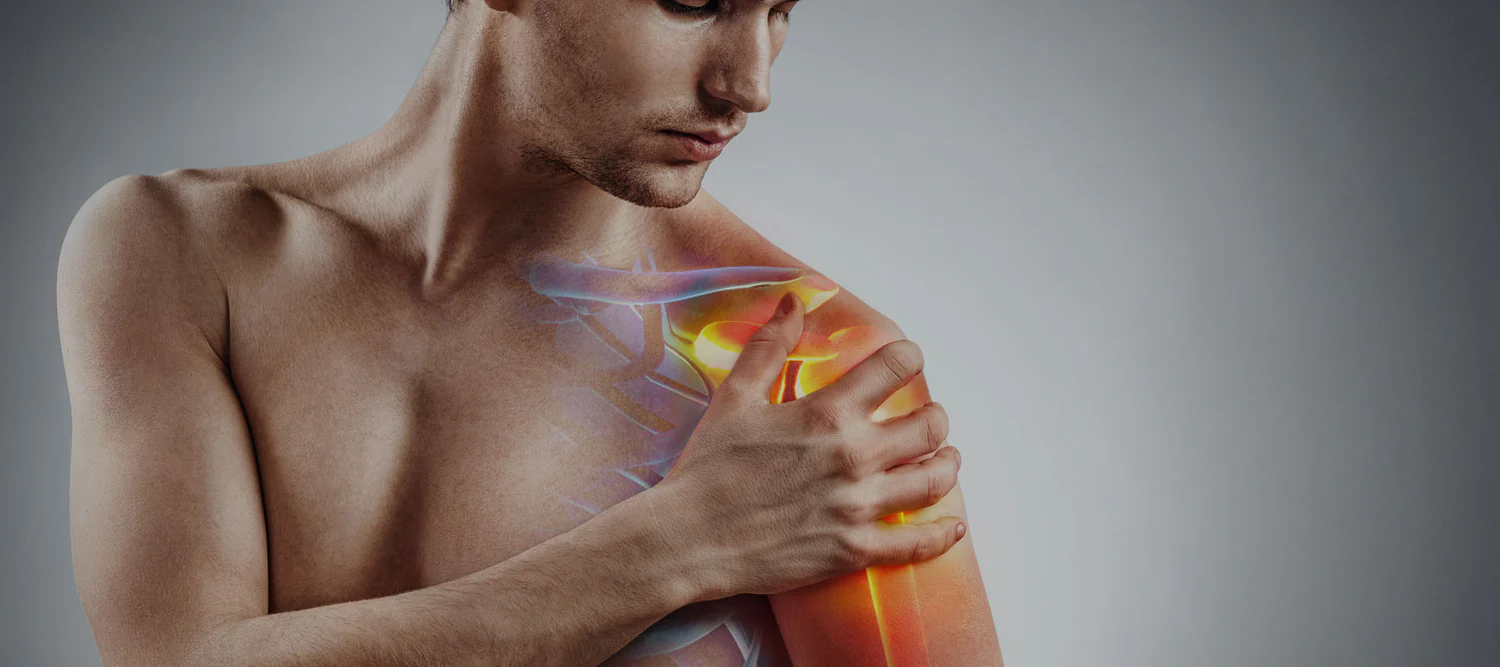
The jaw, neck, and shoulders share a powerful network of muscles and nerves. When the temporomandibular joint (TMJ) becomes strained or misaligned, it can disrupt this system — leading to pain that radiates down into the shoulders or upper back. Many patients living with shoulder pain never realize that the problem begins with how their jaw functions, or how they breathe.
“The temporomandibular joint (TMJ) and cervical spine share muscles and nerve connections, which can contribute to referred pain in the head, neck, and shoulders.”
National Center for Biotechnology Information (NCBI)
“Poor posture, particularly forward head position, increases load on the neck and shoulder muscles and can aggravate temporomandibular disorders.”
Journal of Oral Rehabilitation
Patients with TMJ dysfunction or sleep-disordered breathing often develop chronic tightness in the upper trapezius, sternocleidomastoid, and shoulder girdle. Over time, this leads to fatigue, nerve compression, and restricted movement. By identifying the structural and airway factors that cause overactivation, our treatment restores balance to the entire musculoskeletal system.
When To Seek Treatment
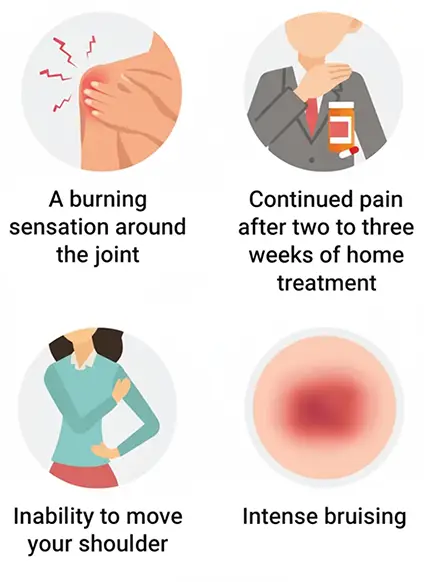
These signs indicate your shoulder pain may stem from TMJ dysfunction or airway-related muscle imbalance:
Referred pain often starts near the jaw or upper neck before spreading into the shoulder blade or upper arm.
Muscular co-contraction between the jaw and shoulders often accompanies TMJ clenching or airway strain during sleep.
Difficulty lifting or rotating the arm may come from chronic protective tension in neck and shoulder stabilizers.
Forward head posture, airway narrowing, and stress-driven clenching all increase shoulder load and fatigue.
Relief begins with the right diagnosis
Shoulder pain may start in your jaw, neck, or airway — not the joint itself. At the TMJ & Sleep Therapy Centre of Kansas City, our integrative approach restores balance, relieves tension, and prevents future flare-ups.


Frequently Asked Questions About Shoulder Pain
Shoulder pain can come from muscles, joints, or nerve pathways — and many times, the root cause isn’t where it hurts. These answers explain how TMJ and airway function connect to upper body discomfort.
TMJ & Sleep Therapy Centre
Global Expertise
As proud members of TMJ International, we are part of a global team dedicated to advancing collaborative care in TMJ disorders and sleep therapy. Together, we bring innovation, expertise, and compassionate treatment to help patients find lasting relief and a healthier quality of life.

If you’re struggling with jaw pain, headaches, or sleep issues, the TMJ & Sleep Therapy Centre of Kansas City is here to help. Our team specializes in non-surgical TMJ and sleep therapy solutions designed to restore comfort and improve your quality of life.

Over 70 Centres
Decades