
Bedwetting (Nocturnal Enuresis)
Bedwetting is often dismissed as a normal phase of childhood, but research shows that it may be linked to poor sleep quality and airway obstruction. When children struggle to breathe properly during sleep, their nervous systems stay in a state of stress, reducing bladder control and disrupting deep, restorative rest. At the TMJ & Sleep Therapy Centre of Kansas City, we look beyond surface symptoms to uncover how airway and craniofacial development may be contributing factors.



Over 70 Centres

Decades

Tens of Thousands
When Bedwetting Signals More Than Bladder Control
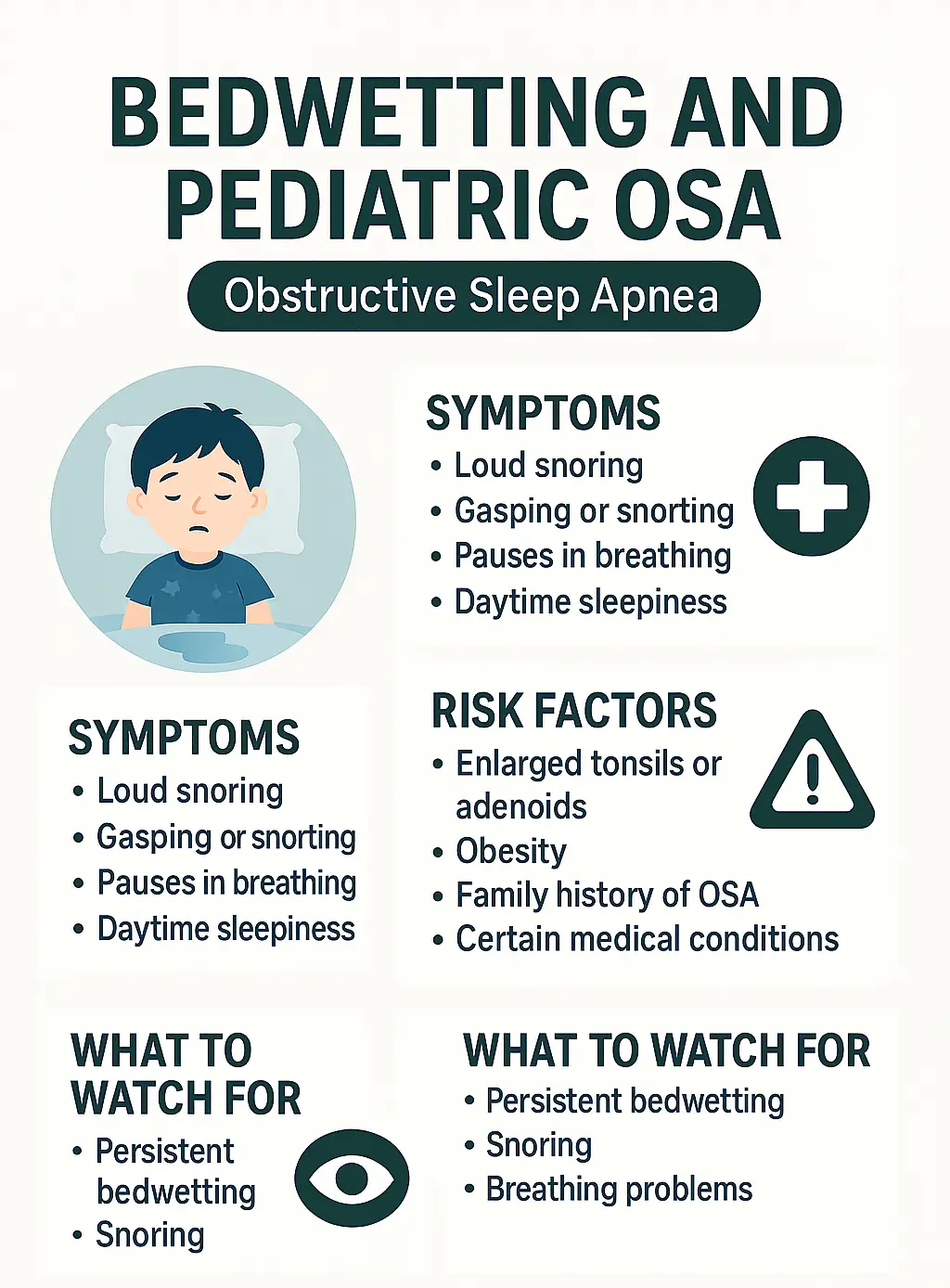
Many parents are surprised to learn that bedwetting can be linked to sleep-disordered breathing or airway obstruction. When a child’s body struggles for oxygen at night, deep sleep cycles are disrupted — the brain doesn’t send proper signals to maintain bladder control. This connection explains why airway-focused therapy can often resolve nighttime accidents where conventional approaches fail.
“Children with sleep-disordered breathing are significantly more likely to experience nocturnal enuresis than those without breathing disturbances.”
Journal of Clinical Sleep Medicine
“Restoring nasal breathing and improving airway patency during sleep has been shown to reduce or eliminate bedwetting in many pediatric cases.”
International Journal of Pediatric Otorhinolaryngology
Bedwetting can also correlate with mouth breathing, tongue tie, or poor jaw development — all of which affect how oxygen is delivered during rest. By evaluating airway size, tongue posture, and craniofacial growth, we identify the deeper reasons why a child’s body may not be entering restorative sleep cycles.
When To Seek Treatment
If bedwetting continues past the expected developmental stage, it may signal an airway or sleep imbalance that deserves closer attention.
Persistent bedwetting after age six often points to underlying airway or neurological issues, not behavioral causes.
Snoring, tossing, or open-mouth breathing indicate disrupted deep sleep — a common cause of nighttime accidents.
Children with poor-quality sleep may appear tired, inattentive, or overly active during the day — a hallmark of nighttime breathing issues.
Structural issues like tongue tie or nasal blockage can lead to poor oxygen flow and stress responses during sleep.
Help Your Child Sleep Peacefully
Bedwetting is often a sign of sleep or airway imbalance, not just bladder control. At the TMJ & Sleep Therapy Centre of Kansas City, our pediatric team identifies the underlying cause to restore confidence and restful nights.


Frequently Asked Questions About Bedwetting
Bedwetting can have multiple causes — but when it persists, airway and sleep health are often involved. Here are answers to common questions from parents.
TMJ & Sleep Therapy Centre
Global Expertise
As proud members of TMJ International, we are part of a global team dedicated to advancing collaborative care in TMJ disorders and sleep therapy. Together, we bring innovation, expertise, and compassionate treatment to help patients find lasting relief and a healthier quality of life.

If you’re struggling with jaw pain, headaches, or sleep issues, the TMJ & Sleep Therapy Centre of Kansas City is here to help. Our team specializes in non-surgical TMJ and sleep therapy solutions designed to restore comfort and improve your quality of life.

Over 70 Centres
Decades