
Symptoms of TMJ Dysfunction and Sleep Disorders

Clicking
Jaw clicking or popping can have many causes, from stress and clenching to joint misalignment. Understanding the root helps prevent long-term pain and dysfunction.

Jaw Popping
Jaw clicking or popping frequently indicates TMJ dysfunction, typically resulting from misalignment, inflammation, or displacement of the disc in the jaw joint.

Jaw Clenching
Jaw clenching often indicates a TMJ imbalance. If untreated, it can lead to muscle strain, tooth wear, and cause headaches or facial discomfort.

Teeth Grinding (Bruxism)
Chronic bruxism can lead to the erosion of tooth enamel, place stress on the temporomandibular joint (TMJ), and impede your airway while you sleep.

Difficulty Chewing
Soreness when chewing or unease during meals can signal significant concerns, including temporomandibular joint (TMJ) disorders.

Ear Pain
Ear pain without infection is often a sign of TMJ dysfunction or muscle tension. Evaluating the jaw joint and bite alignment helps uncover the true source of discomfort.
Eye Pain
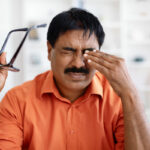
Eye pain or pressure near the temples may be linked to TMJ dysfunction or muscle tension, not just vision strain. Treating the jaw joint often relieves discomfort behind or around the eyes.

Tinnitus
Persistent ringing or ear pressure can be linked to TMJ dysfunction. We address jaw alignment and muscle balance to calm tinnitus symptoms.
TMJ Pain
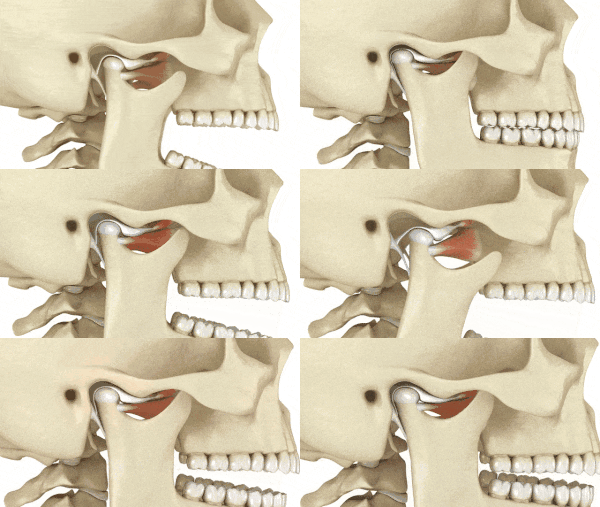
TMJ pain can stem from joint irritation, bite imbalance, and muscle overload. We treat the cause with non-surgical, evidence-based care.

Jaw Pain
Jaw pain is one of the most common signs of TMJ dysfunction. It can result from inflammation, misalignment, or muscle overuse, and often connects to headaches, ear pain, and neck tension.

Trigeminal Neuralgia
Sudden, electric shock facial pain may be trigeminal neuralgia. We help identify TMJ-related triggers, calm muscle input, and coordinate care for lasting relief.

Teeth Sensitivity
Tooth sensitivity often traces back to clenching, enamel wear, and bite stress from TMJ dysfunction. We treat the cause, not just the symptom.
Teeth Grinding (Bruxism)
Chronic bruxism can lead to the erosion of tooth enamel, place stress on the temporomandibular joint (TMJ), and impede your airway while you sleep.

Difficulty Breathing
Difficulty breathing during sleep can signal airway collapse or obstruction. Identifying the cause early helps protect long-term health and restore restful sleep.

Snoring
Snoring is more than noise, it’s a sign of airway restriction. We identify the cause and restore healthy, quiet breathing during sleep.

Tossing & Turning
Frequent nighttime turbulence and difficulty sleeping may indicate an airway issue or sleep disorder. We determine the underlying cause to help you achieve restful, uninterrupted sleep.
Ear Pain
Ear pain without infection is often a sign of TMJ dysfunction or muscle tension. Evaluating the jaw joint and bite alignment helps uncover the true source of discomfort.
Eye Pain
Eye pain or pressure near the temples may be linked to TMJ dysfunction or muscle tension, not just vision strain. Treating the jaw joint often relieves discomfort behind or around the eyes.
Tinnitus
Persistent ringing or ear pressure can be linked to TMJ dysfunction. We address jaw alignment and muscle balance to calm tinnitus symptoms.

Muscle Spasms
TMJ-related muscle spasms can cause pain and stiffness in the jaw, face, and neck. Our team provides personalized, non-surgical care to restore balance and lasting relief.

Back Pain
Back pain can limit your daily life and often has deeper causes like poor posture, airway strain, or TMJ

Meniere’s Disease
Chronic jaw dysfunction can strain the delicate structures near the ear, potentially worsening or triggering Meniere’s Disease symptoms such as dizziness, ear fullness, and ringing.
TMJ Pain
TMJ pain can stem from joint irritation, bite imbalance, and muscle overload. We treat the cause with non-surgical, evidence-based care.
Jaw Pain
Jaw pain is one of the most common signs of TMJ dysfunction. It can result from inflammation, misalignment, or muscle overuse, and often connects to headaches, ear pain, and neck tension.
Trigeminal Neuralgia
Sudden, electric shock facial pain may be trigeminal neuralgia. We help identify TMJ-related triggers, calm muscle input, and coordinate care for lasting relief.

Migraines
Recurring or chronic headaches that may be linked to jaw tension, muscle strain, or nerve compression associated with TMJ dysfunction.

Neck Pain
Chronic neck pain often stems from jaw imbalance and postural strain related to TMJ disorders. Our specialists relieve tension by restoring muscle balance and joint stability.

Shoulder Pain
Shoulder pain often begins in the jaw, neck, or posture system. We identify the source and restore balance through non-surgical TMJ and airway-focused care.

Orthopedic Dysfunction
Jaw misalignment and airway dysfunction can disrupt body balance and posture, leading to orthopedic pain throughout the neck, shoulders, and back.
Teeth Sensitivity
Tooth sensitivity often traces back to clenching, enamel wear, and bite stress from TMJ dysfunction. We treat the cause, not just the symptom.

ADHD-like Behavior
Many children showing ADHD-like symptoms are struggling with poor sleep or airway restriction. We uncover the root cause to improve focus, behavior, and quality of life.

Mouth Breathing
Mouth breathing can reshape the face, disrupt sleep, and strain developing muscles. We help restore healthy nasal breathing and balanced growth through airway-centered pediatric care.

Bedwetting
Bedwetting in children can be a sign of airway restriction, poor sleep quality, or craniofacial underdevelopment, not just bladder control issues.